Wood-fired ceramics · Northern California
Made by hand.
Finished by fire.
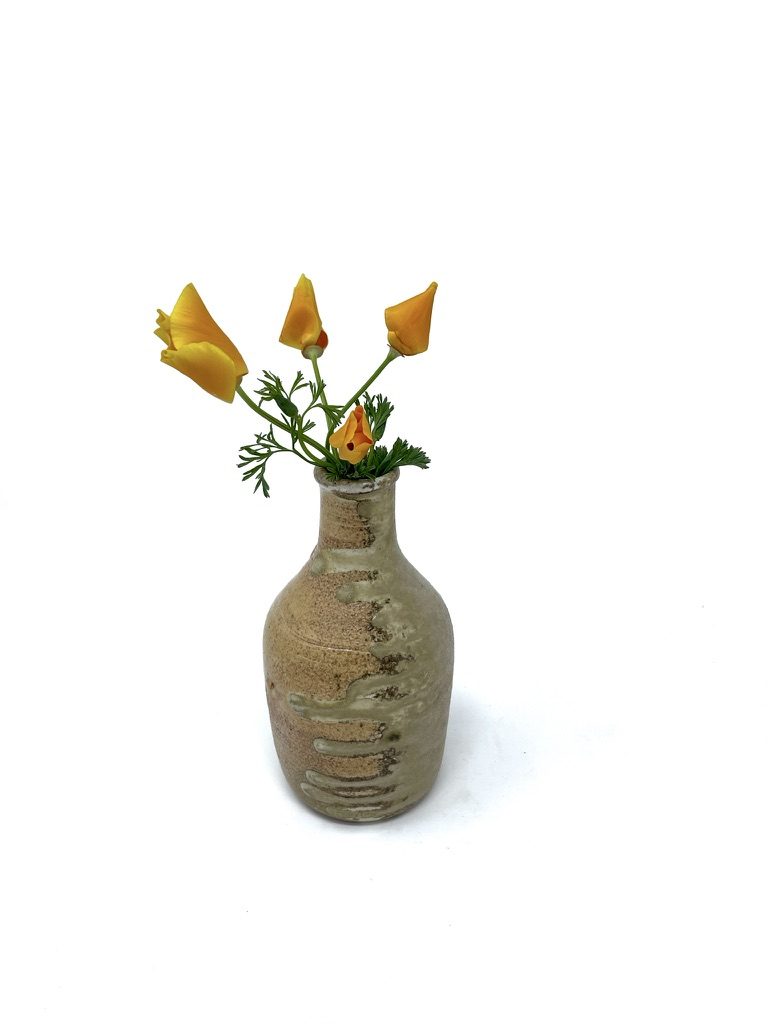
One-of-a-kind pots, hand-made in San Francisco and wood-fired in Mendocino’s Anderson Valley.
Selected work
View all work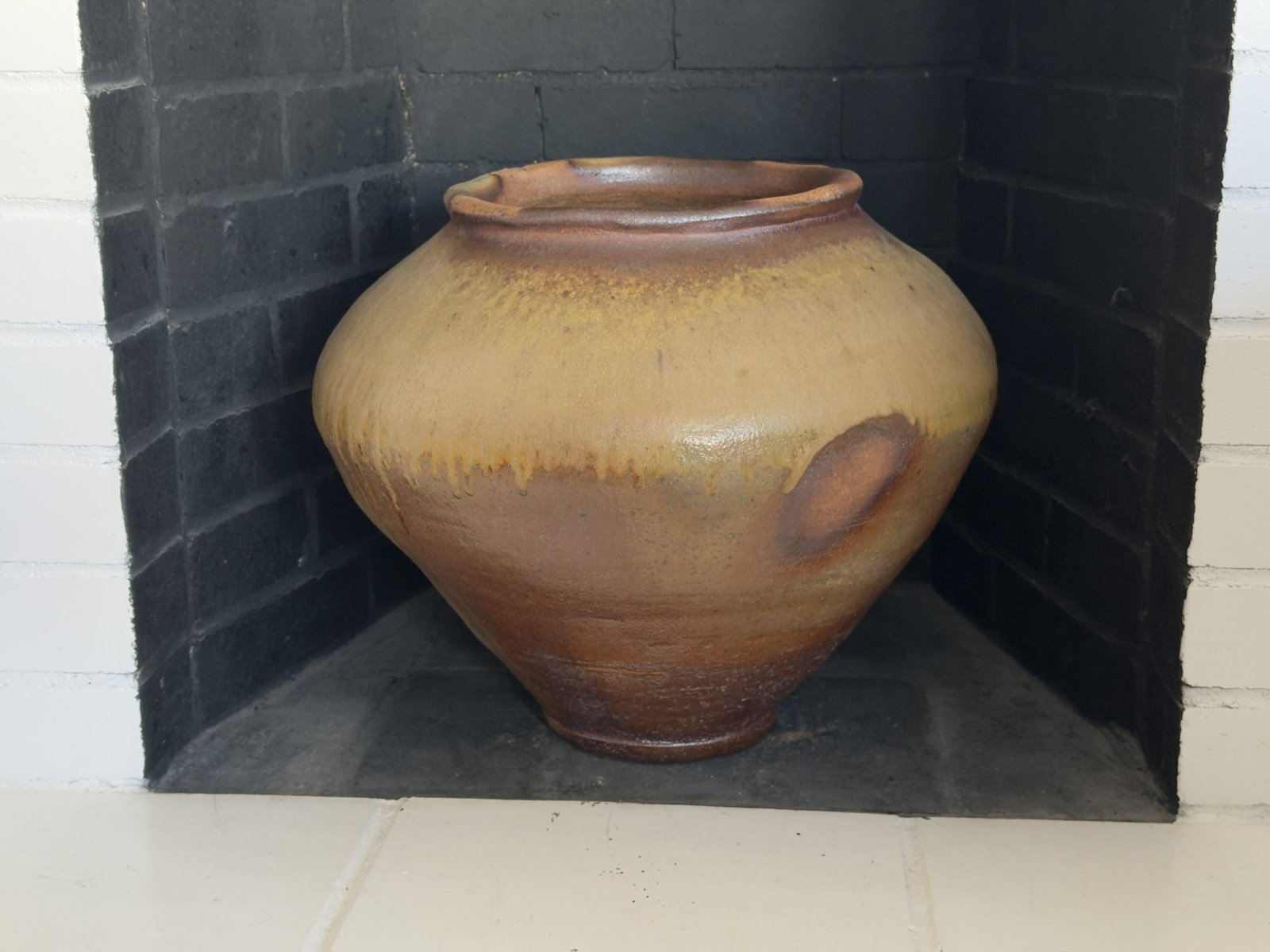
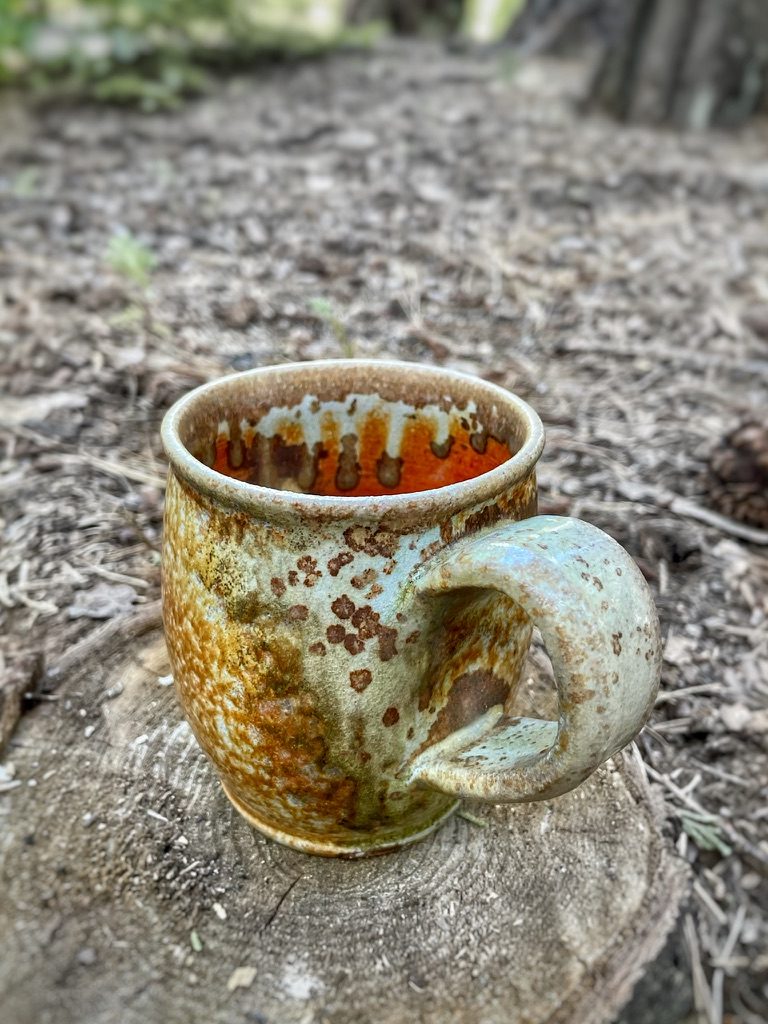
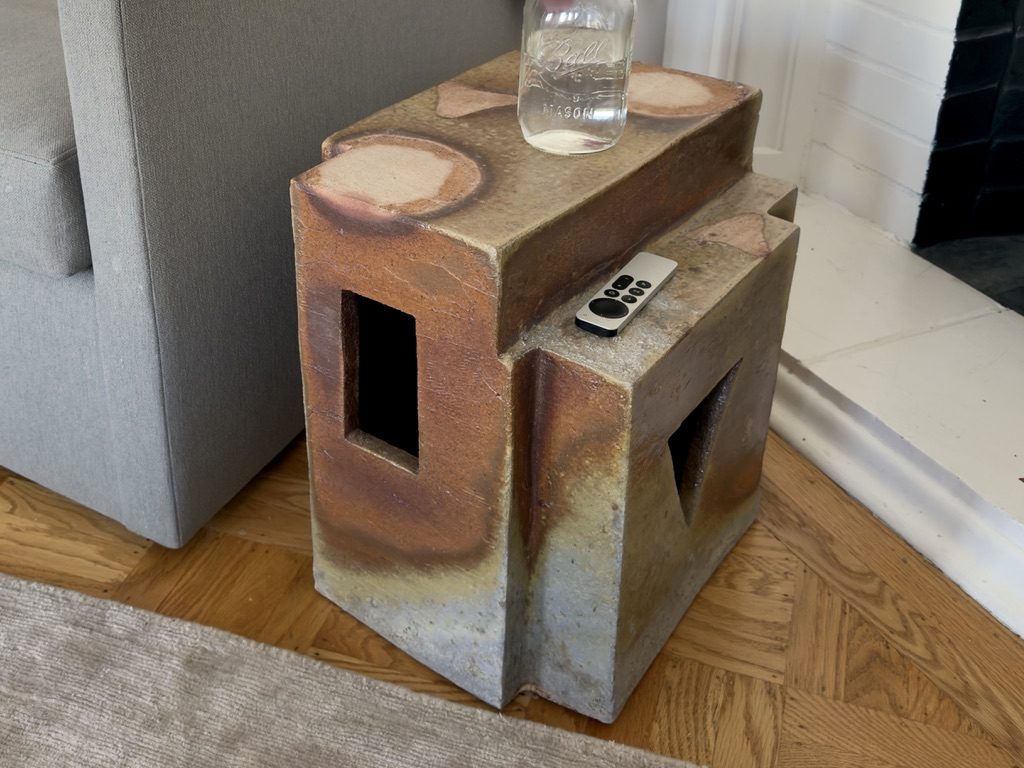
Wood-fired
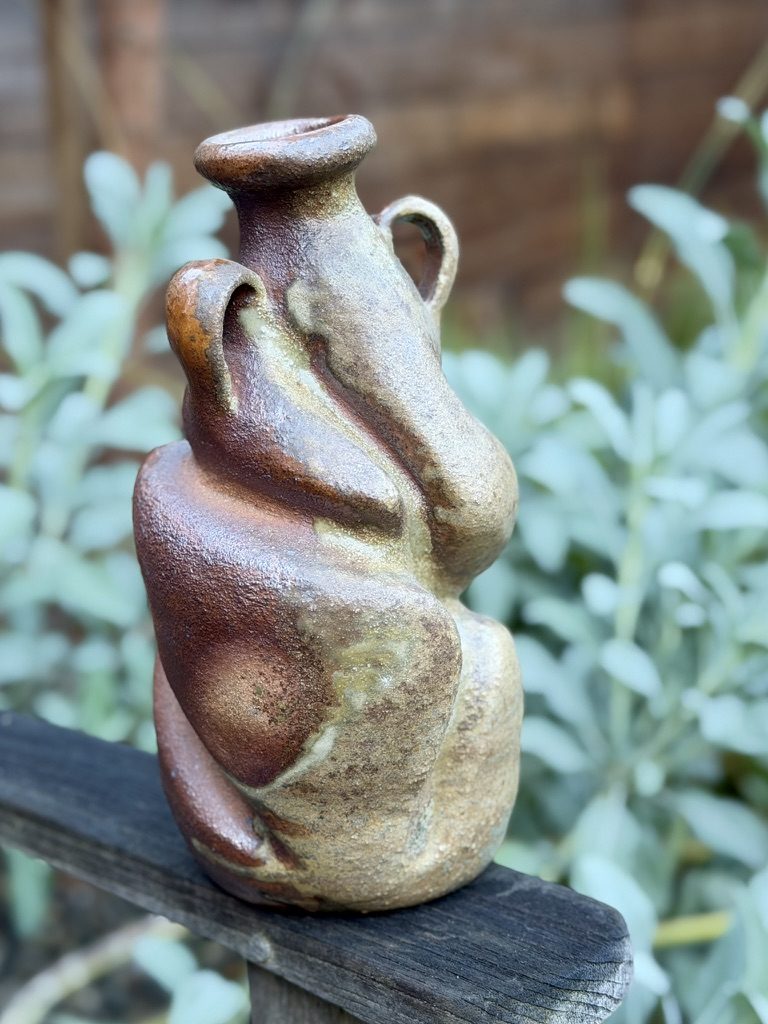
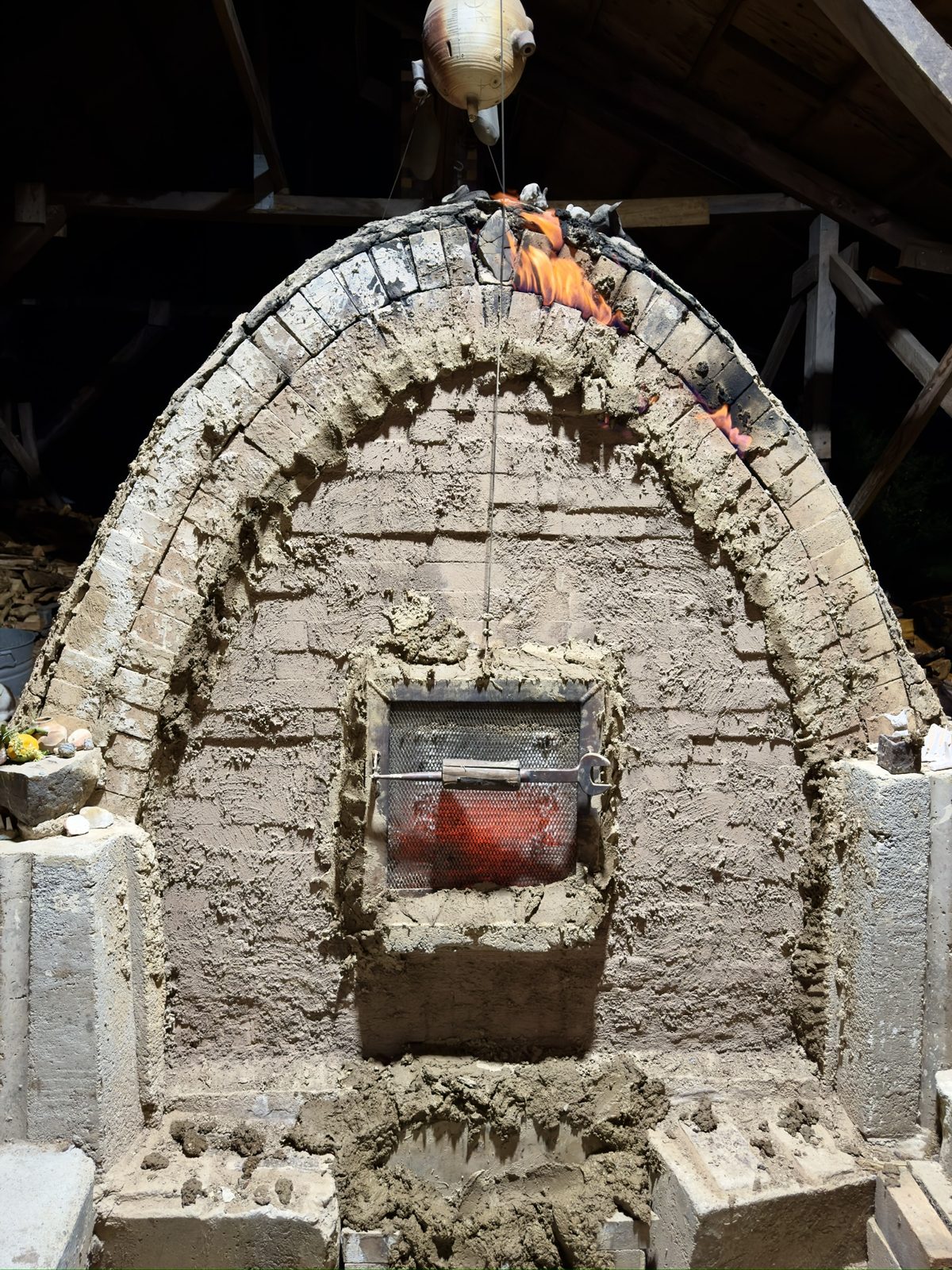
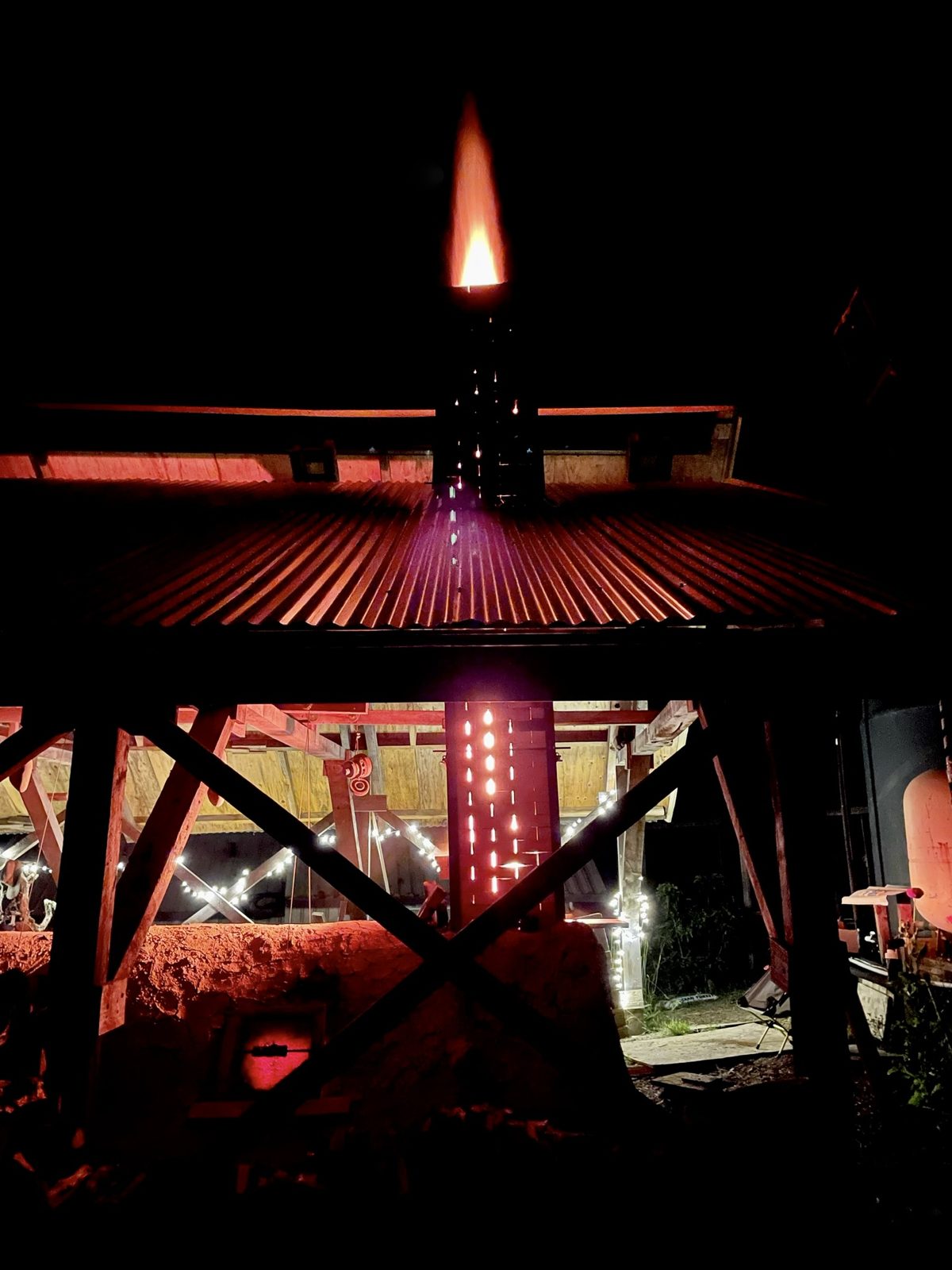
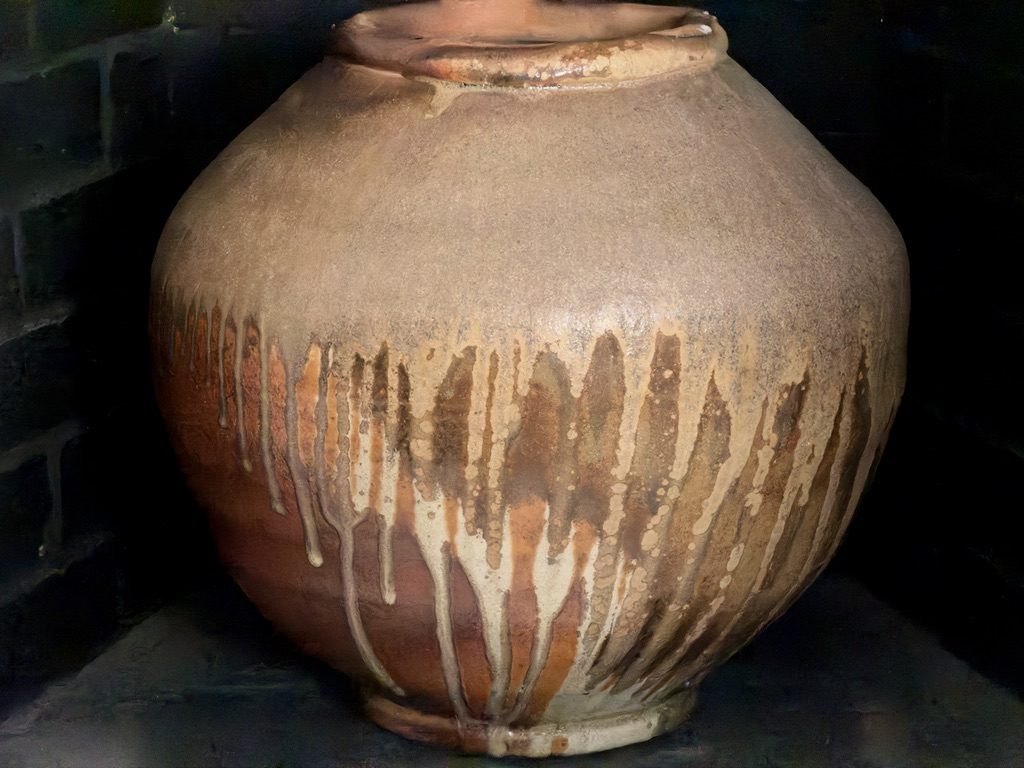
Wood firing an anagama kiln is a laborious, intense and beautiful process. Shaped by days of flame and ash, each pot carries its own story.
Read about the process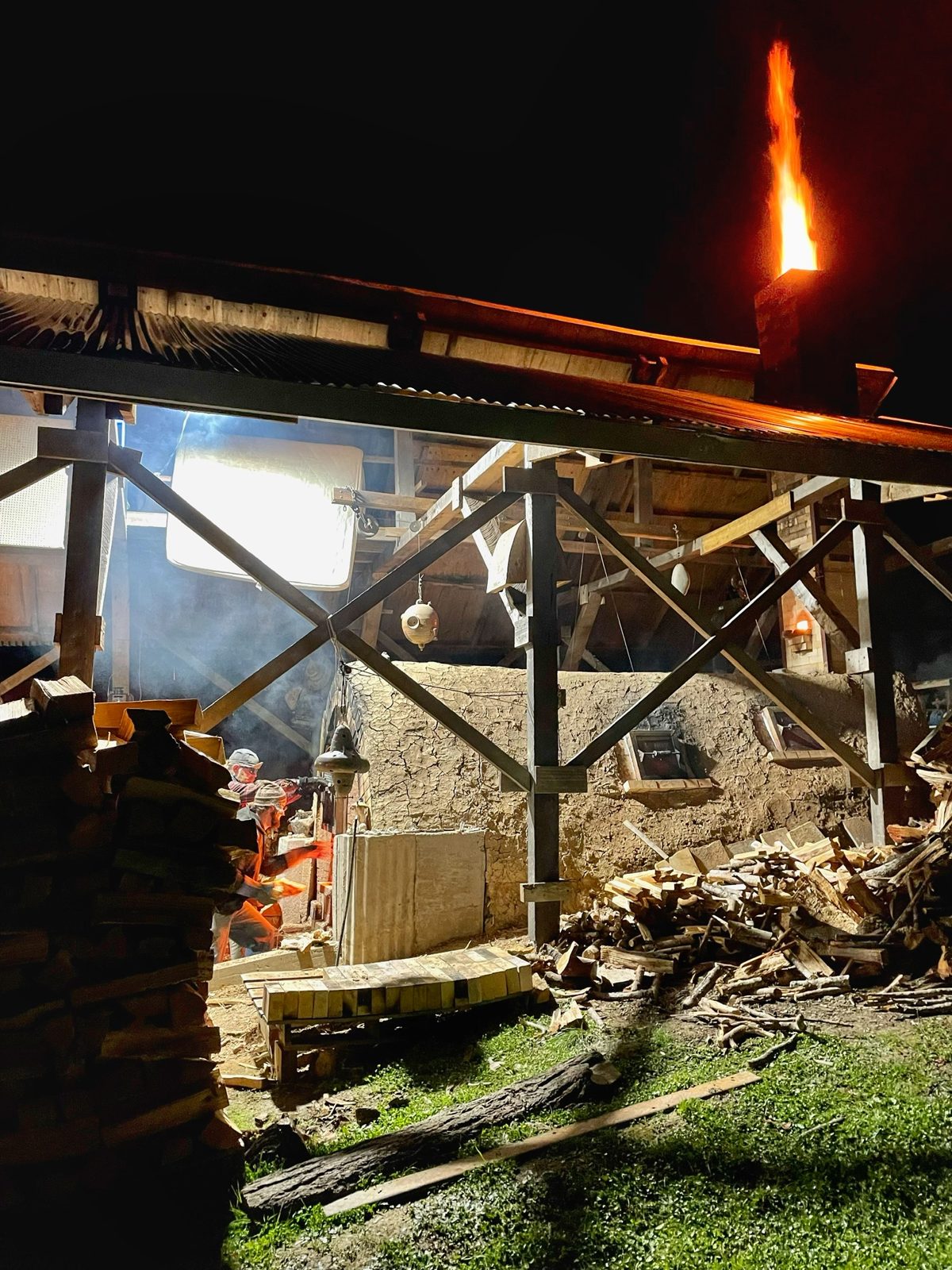
Selected work
All tableware is fully functional and food safe.
Process
From clay to kiln
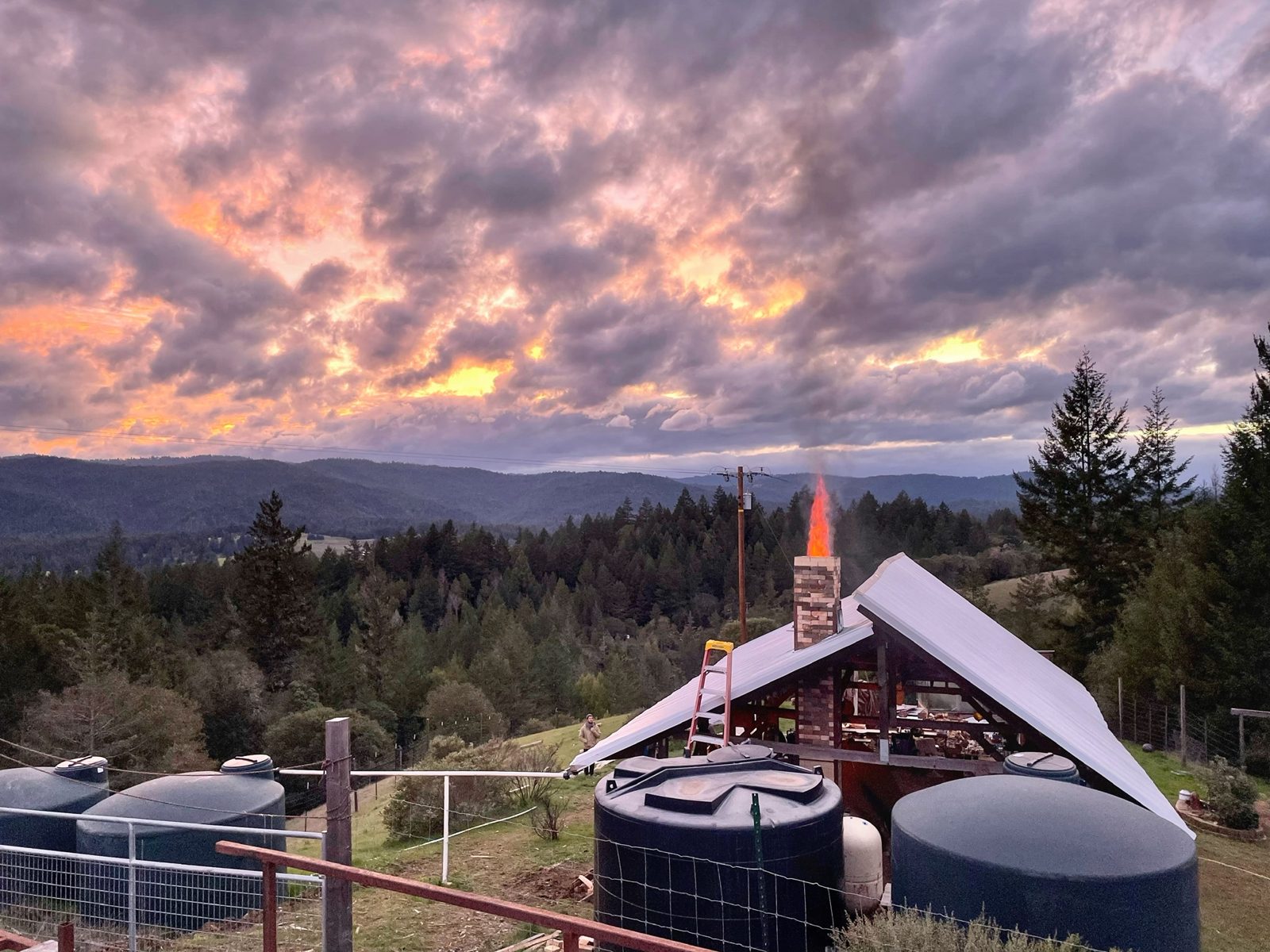
Wood firing an anagama is one of the oldest and most primal ways to fire clay. A firing lasts five to seven days, but the process around it stretches across months.
Making the pots
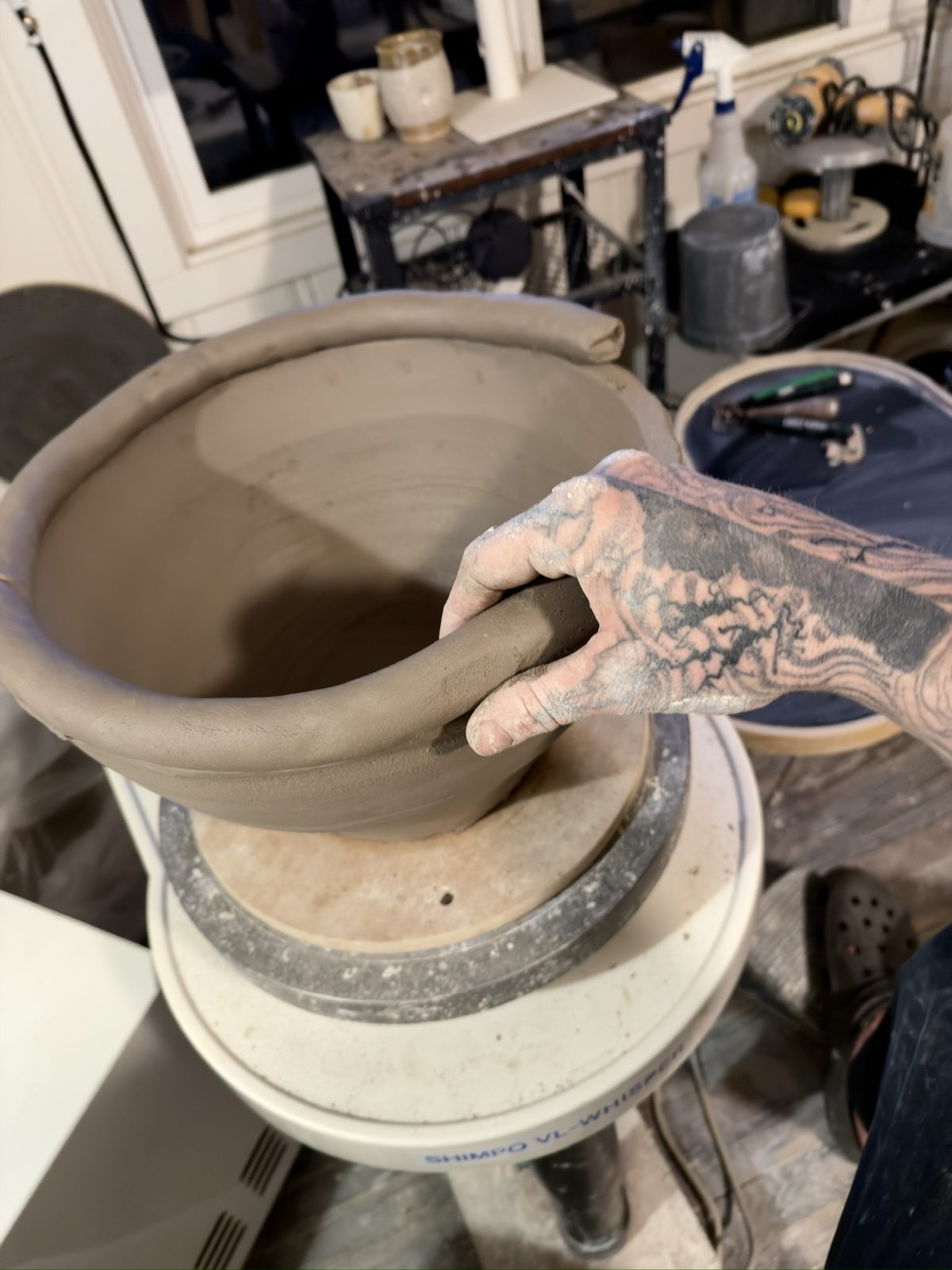
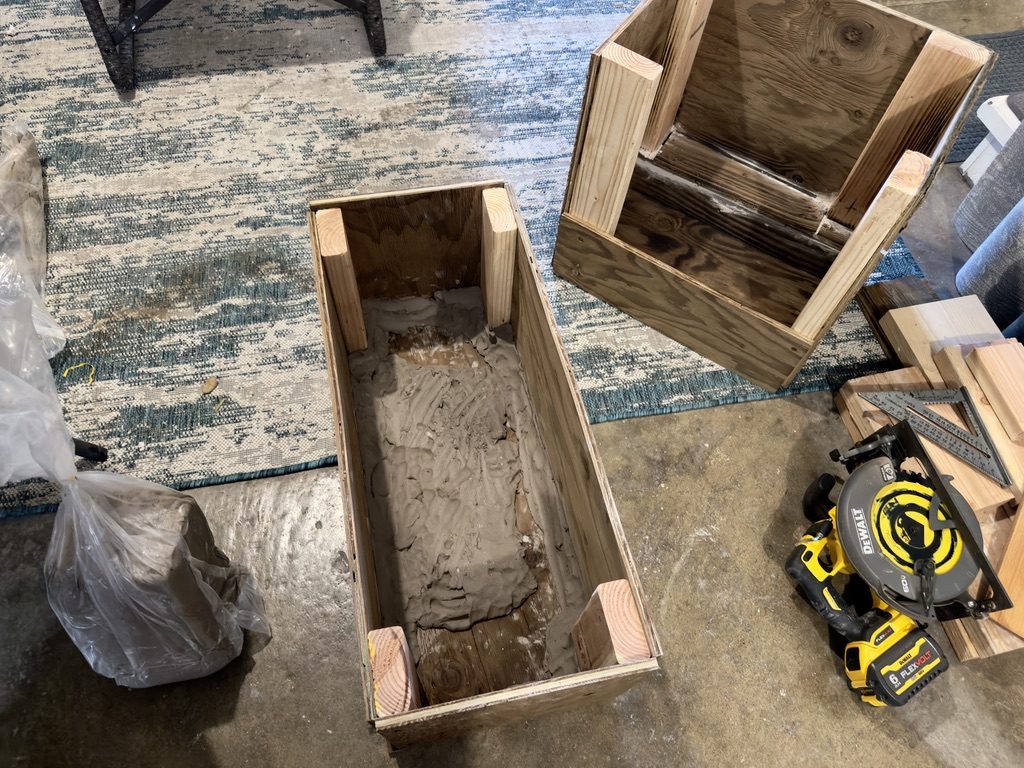
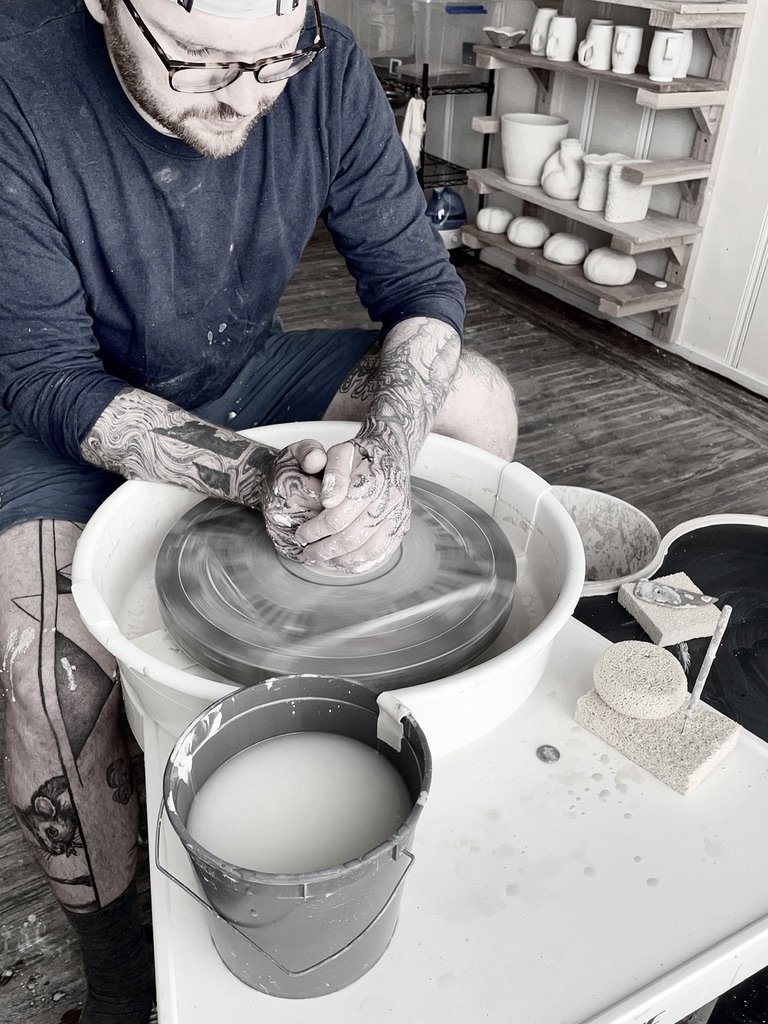
Each pot begins as a ball of clay in the studio. Some are thrown on the wheel, some are hand-built from slabs and coils, while the largest are formed by pressing clay into wooden molds.
Gathering the wood
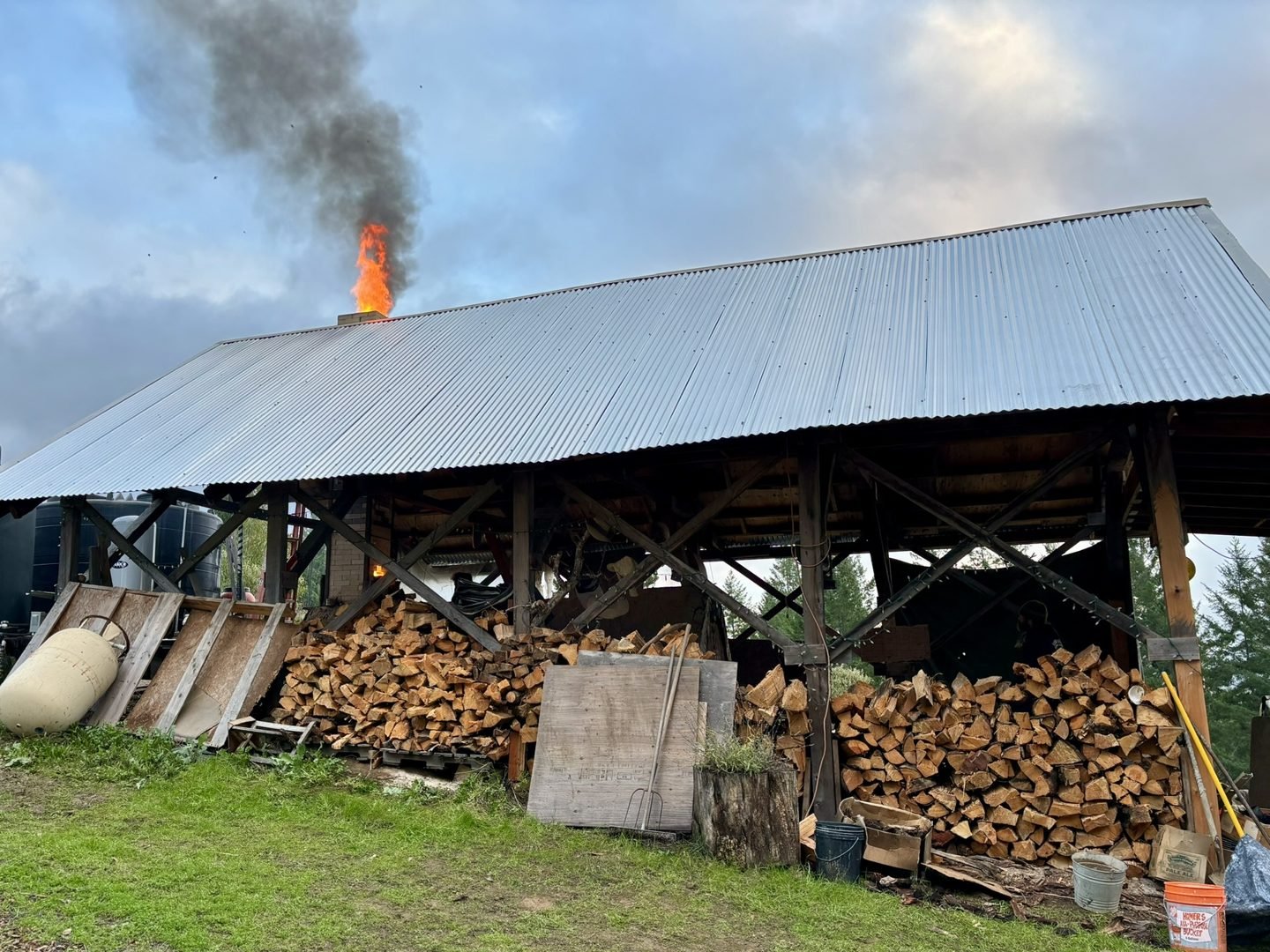
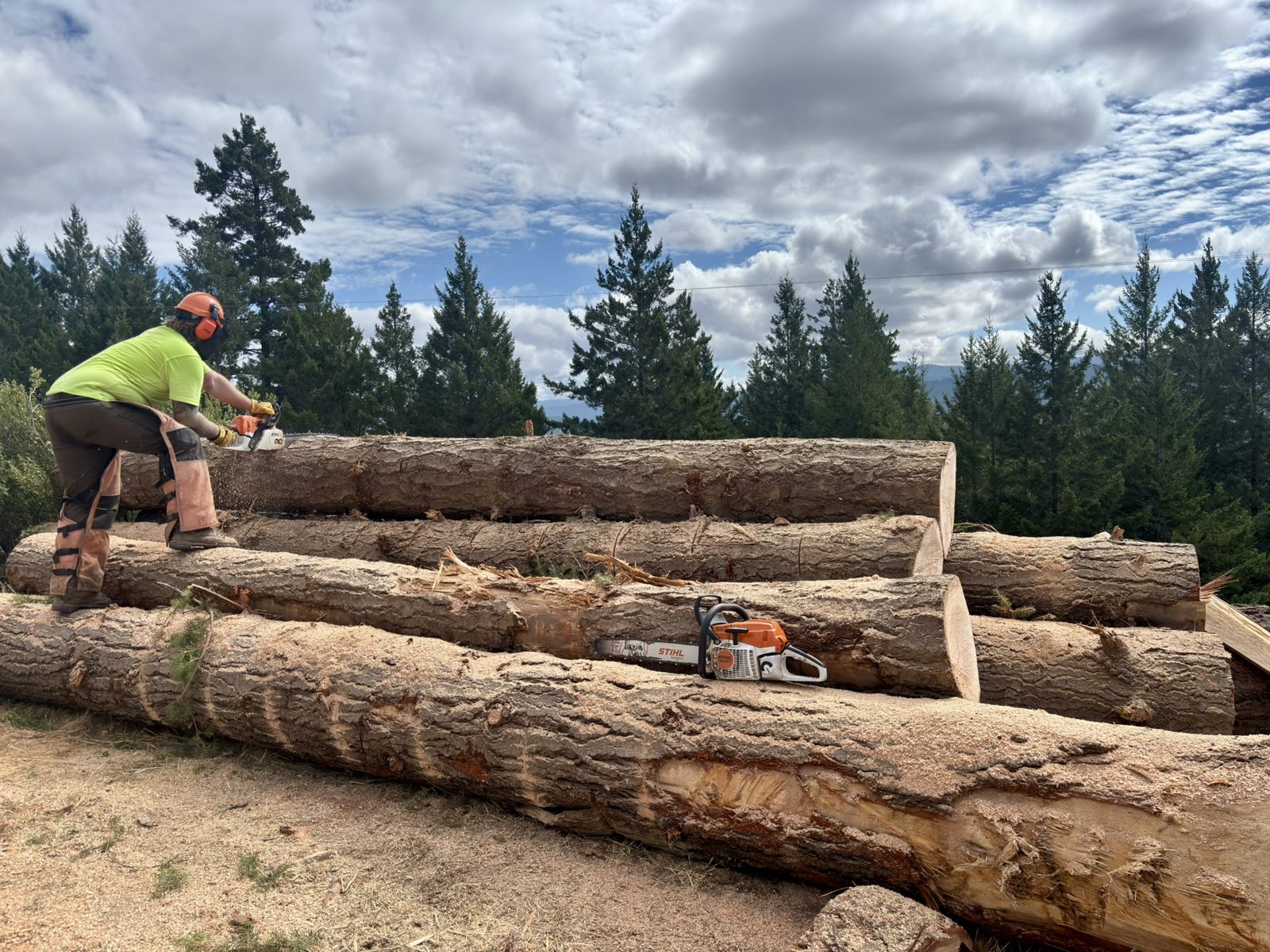
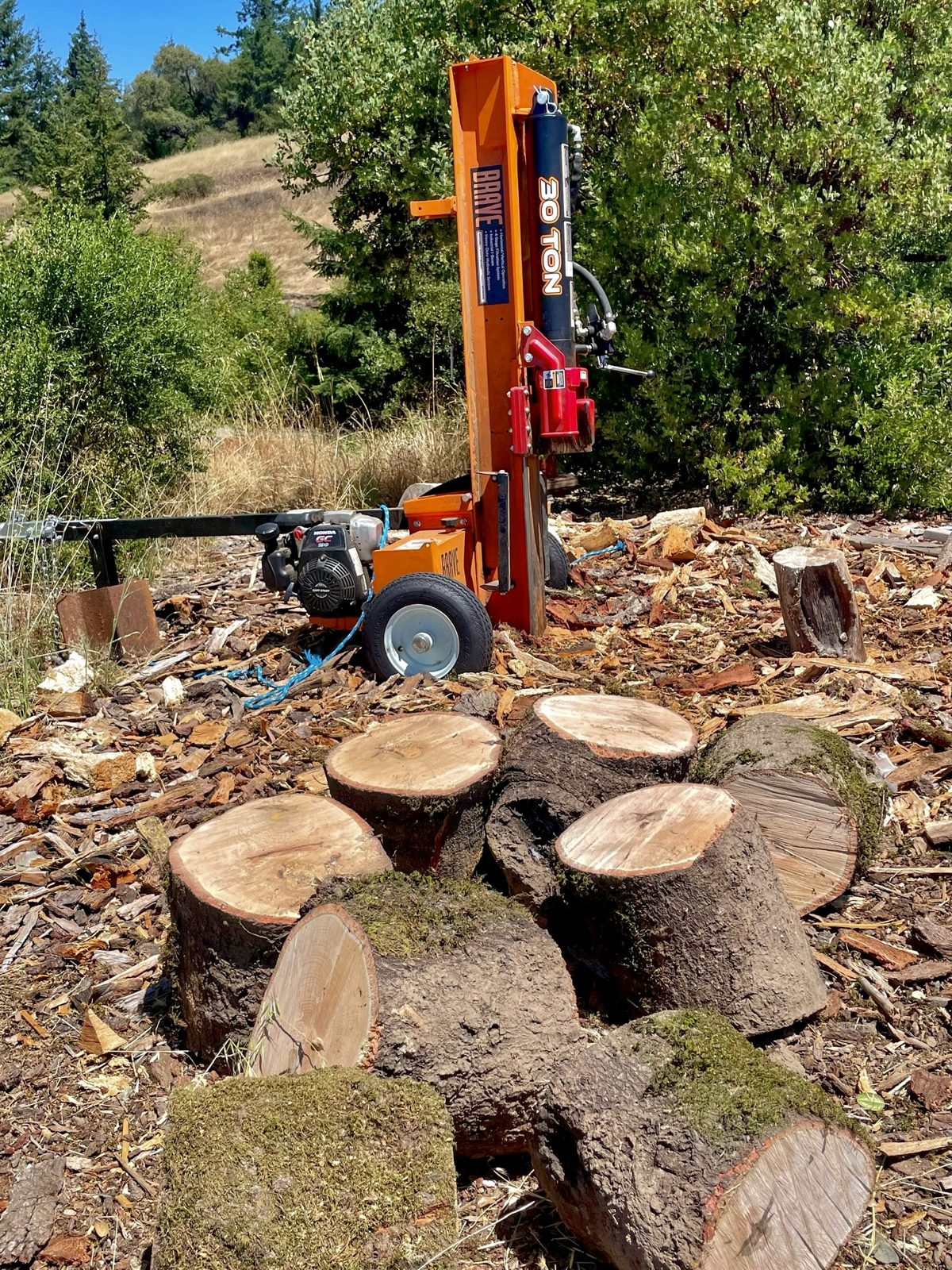
The longest part of a firing happens months before the kiln is lit: finding, sawing, splitting and stacking the wood. The type of wood shapes the color and surface of the finished pots, so each firing burns a mix of hardwood (oak) and softwood (pine and fir), about six to eight cords, all sourced locally.
Loading the anagama
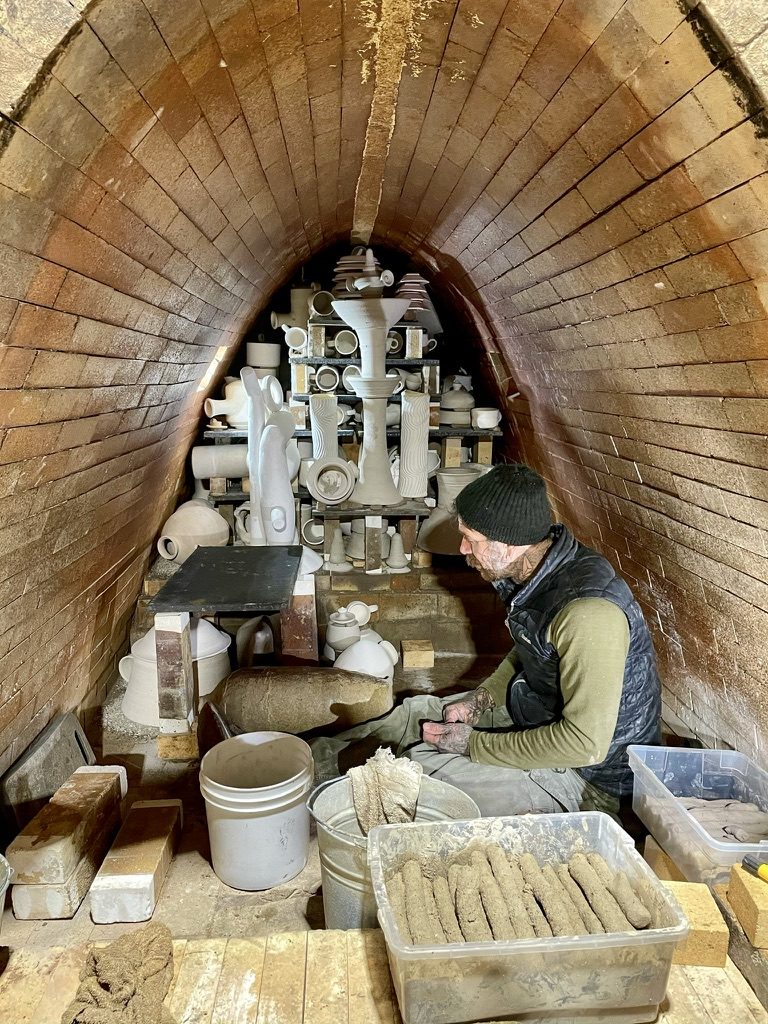
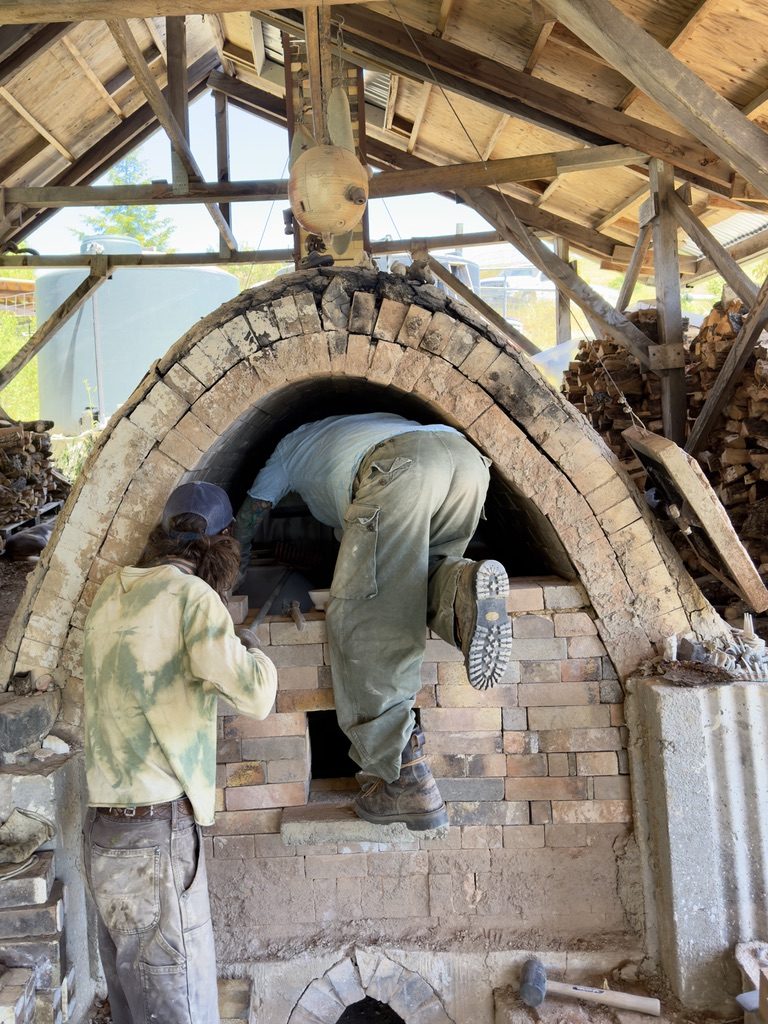
Loading the single-chamber anagama takes two days, with every pot placed by hand on small pads of wadding. A pot’s position determines how the swirling flames and ash will mark and glaze it.
Firing the kiln
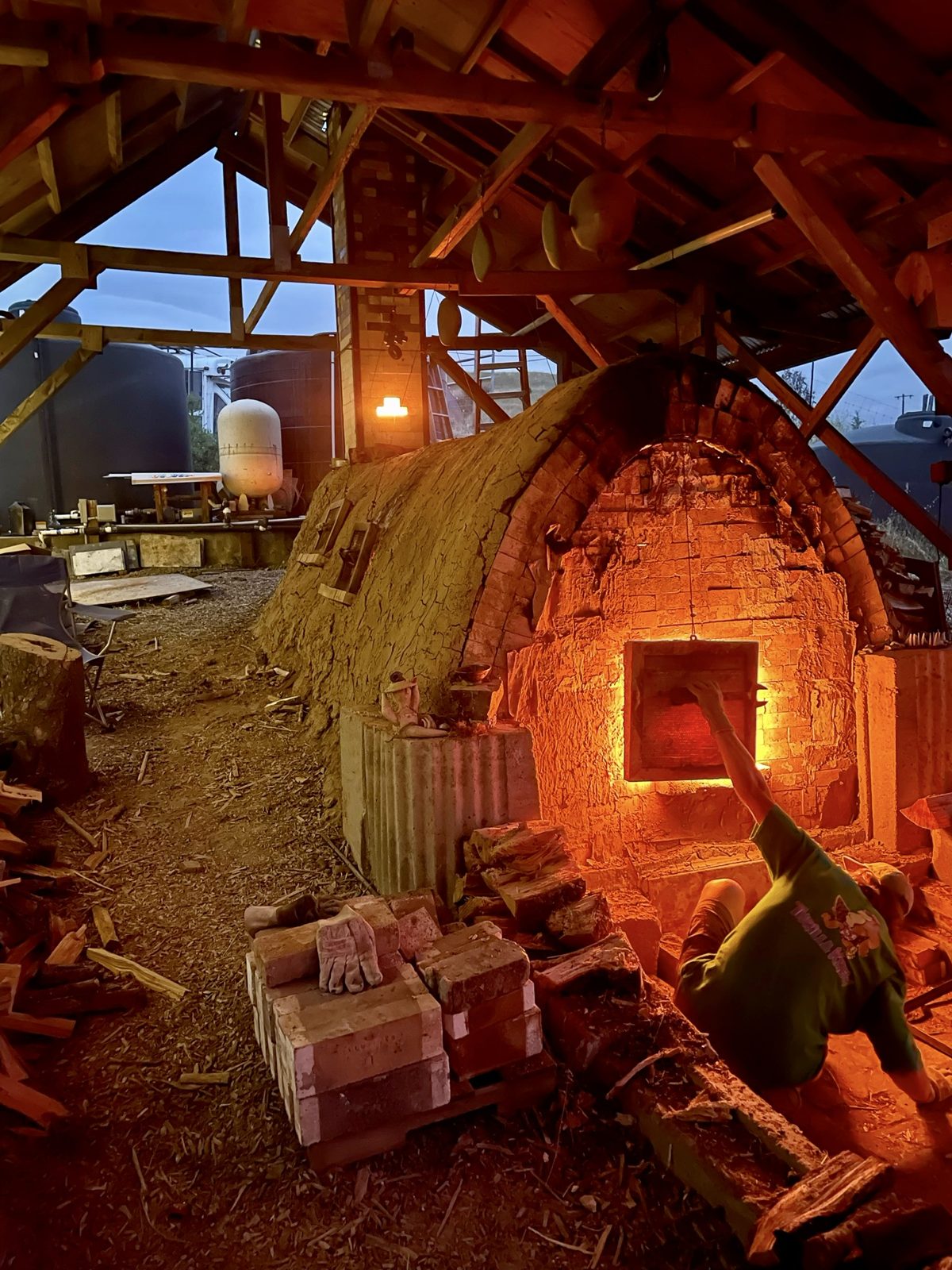
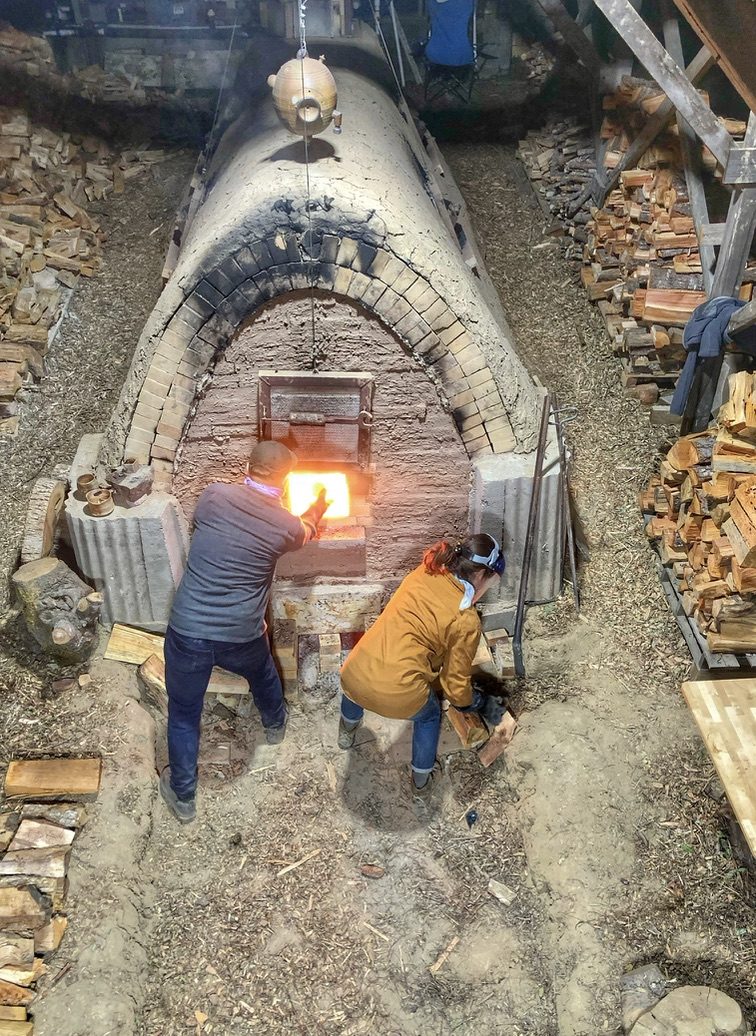
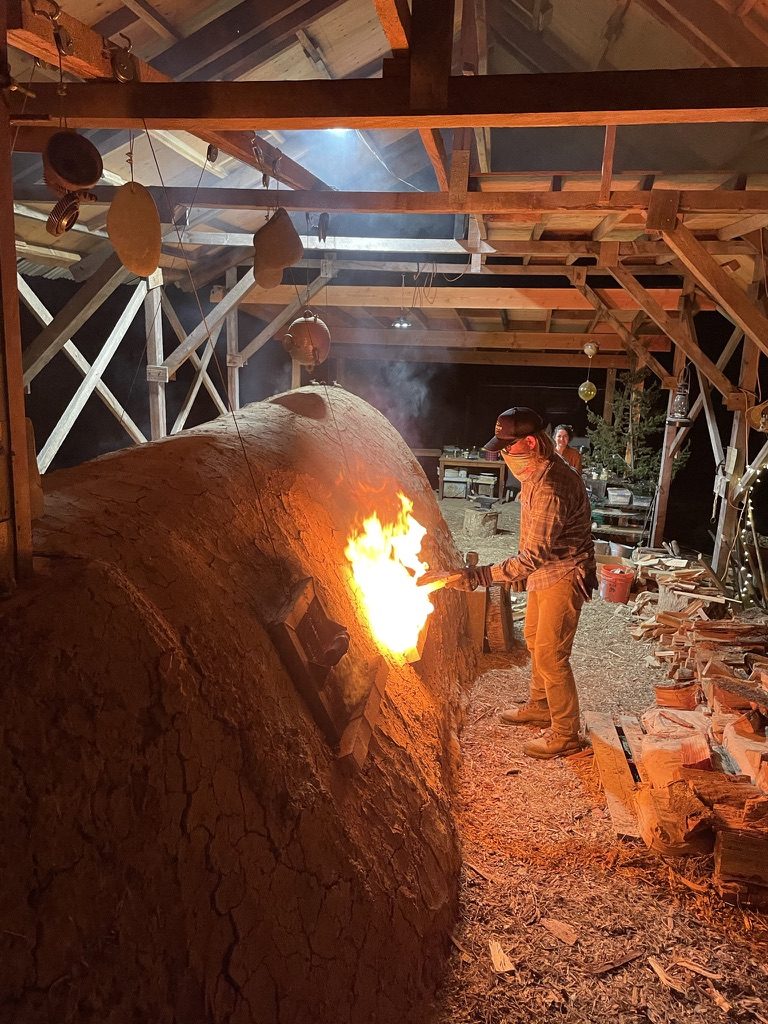
The firing begins with a small campfire to dry the pots and warm the brick. From there, the kiln is stoked around the clock for up to a week, first through the main firebox and then through side ports, until it climbs past 2400°F. Inside the kiln, flames twist around the pots and wood ash collects on the surfaces to form a natural glaze.
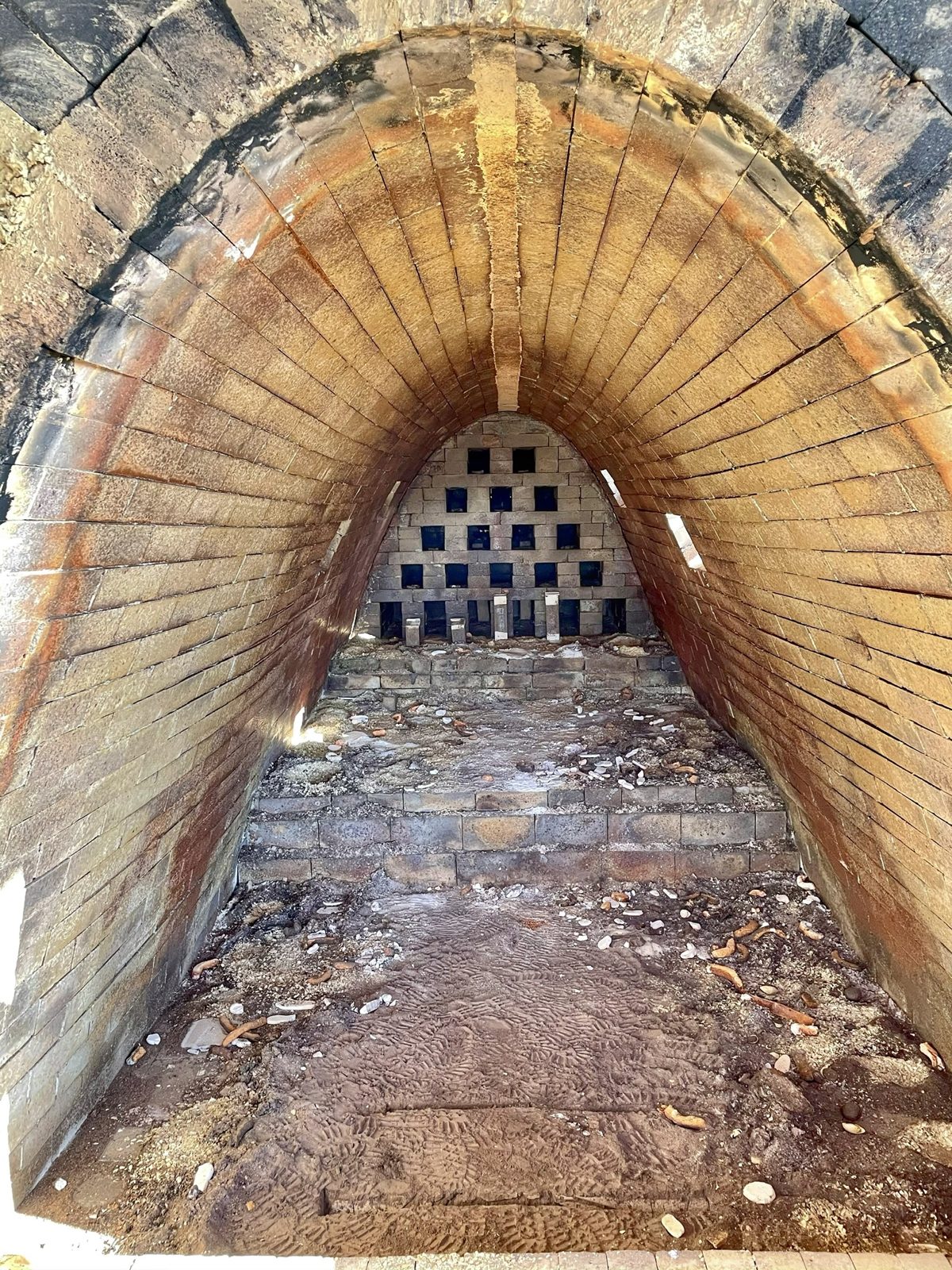
Unloading the work
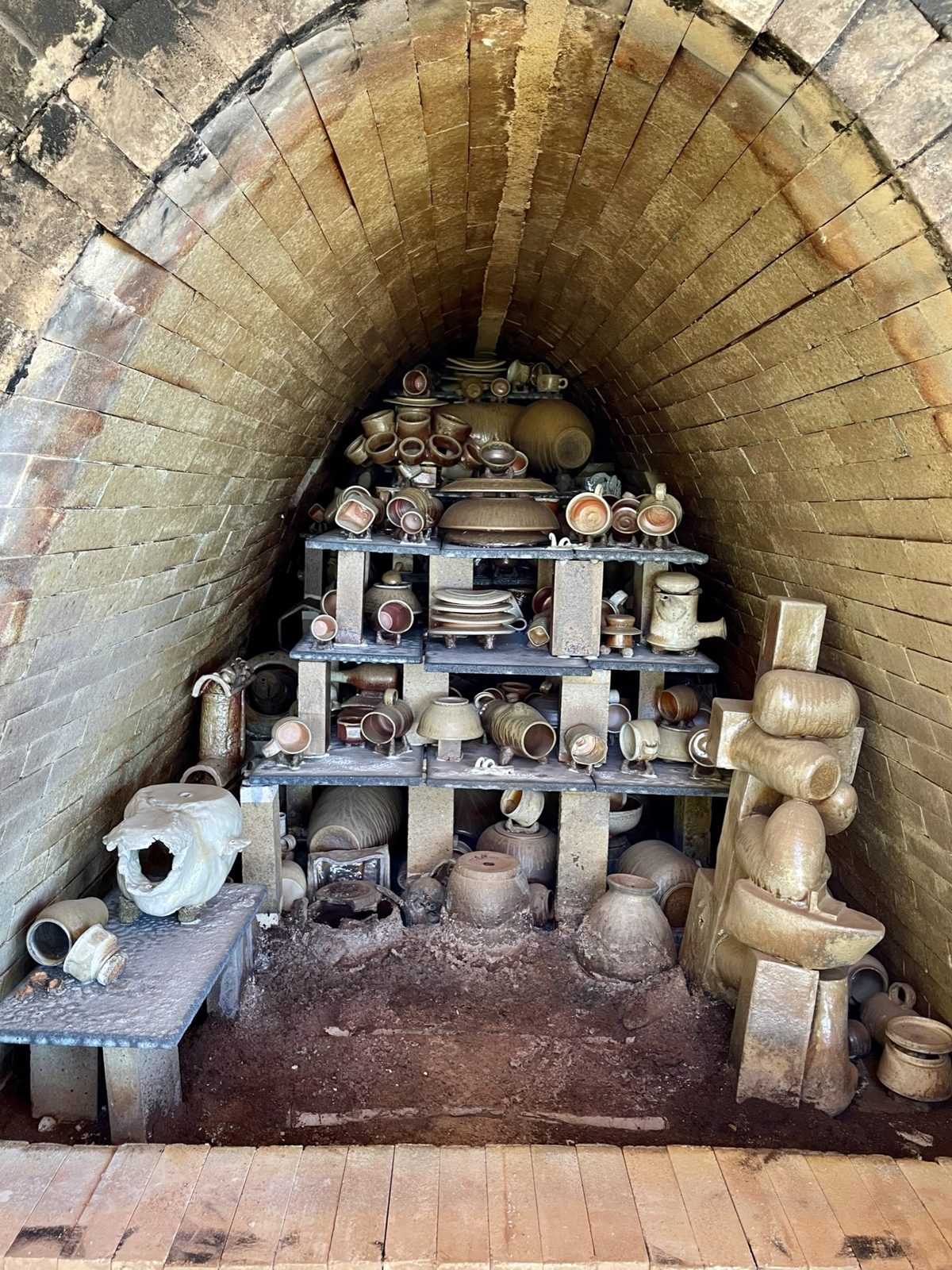
After the last stoke, the kiln is sealed and left to cool for a week. Unloading is always a surprise, since no two pots ever come out alike. Each piece is ground, sanded and cleaned before it’s ready to use.
The tradition
The anagama, Japanese for “cave kiln,” is a long single chamber built up a slope. The design, a version of the climbing dragon kiln of South China, was brought to Japan by Korean potters around the fifth century.
About
Wilbur Clay Co. is the work of Will Derwin. Will makes his pots in a home studio in San Francisco’s Outer Sunset and fires them in a wood-burning anagama kiln he helped build at Rock Rose Studio in Mendocino’s Anderson Valley. He works with stoneware and porcelain to produce functional and sculptural vessels.
Outside of clay, Will guides whitewater rafting trips, teaches art classes to people with disabilities and helps immigrants protect their human rights.
All work is made in remembrance of his brother, Charlie.
Thank you.
Your message has been sent. You’ll hear back soon.